
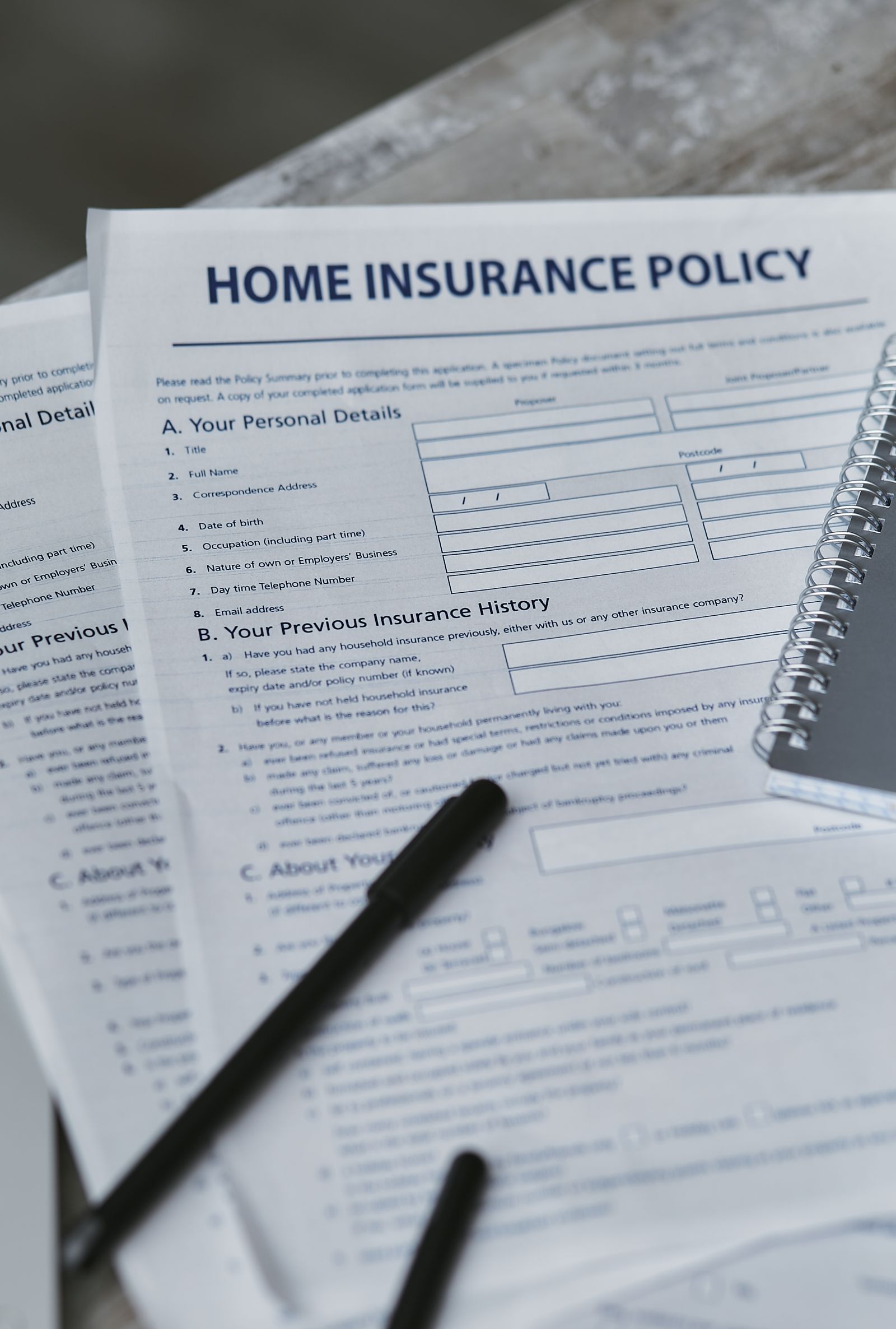
Business insurance is easy to skip when you’re self-employed — there’s no HR department requiring it, and it’s one more recurring cost on top of health insurance and taxes you’re already juggling. But a single client dispute or accident without coverage can cost far more than years of premiums. Here’s how to think about what you actually need.
General liability insurance
This covers claims of bodily injury or property damage caused by your business — for example, if you work in someone’s home or office and accidentally damage their property or a client is injured on a site visit. Freelancers who meet clients in person, work on location, or handle physical products benefit most from this coverage. If your work is entirely remote and digital, the risk is lower, but not always zero, since some clients require proof of general liability coverage before they’ll sign a contract.
Professional liability insurance (errors and omissions)
This is the more relevant coverage for most knowledge-work freelancers — consultants, designers, writers, developers, and similar. It covers claims that your work caused a client financial harm through a mistake, missed deadline, or perceived negligence, even if the claim is ultimately without merit. Legal defense costs alone can be significant, and this coverage typically pays for your defense regardless of whether the claim succeeds.
Why “the work is low-risk” isn’t the same as “no risk”
Even careful, competent freelancers get sued or threatened with a claim occasionally — a client blames a business failure on your advice, a launch goes wrong and someone looks for someone to blame, or a miscommunication about scope turns into a legal threat. The value of professional liability insurance isn’t that it prevents disputes; it’s that it means a baseless claim doesn’t also become a financial catastrophe on top of being stressful.
Cyber liability, if you handle client data
If your work involves storing client data, financial information, or access to their systems, a data breach — even one caused by a vendor you use, not directly by you — can create liability. Cyber liability coverage is worth considering if this describes your work, particularly for consultants, developers, and anyone handling sensitive client information.
When clients require it
Larger companies and agencies increasingly require freelancers and contractors to carry a minimum level of liability insurance and provide a certificate of insurance before signing a contract. If you want access to bigger clients, having a policy in place — rather than scrambling to get one when a contract requires it — can be the difference between winning or missing an opportunity.
What it typically costs
Professional liability policies for solo freelancers are often more affordable than people expect, particularly for lower-risk service work, and many insurers now offer online applications built specifically for freelancers and small consultancies. It’s worth getting an actual quote rather than guessing at the cost and assuming it’s out of reach — the number is frequently lower than a single month of software subscriptions.
Key takeaways
- General liability covers physical injury or property damage; professional liability covers claims that your work caused financial harm.
- Legal defense costs, not just settlements, are a major reason professional liability coverage is worth having even for careful freelancers.
- Cyber liability is worth considering if you store or access client data.
- Some clients require proof of insurance before signing a contract, so having a policy ready can open doors.
- Get an actual quote before assuming coverage is unaffordable — solo freelancer policies are often cheaper than expected.
This article is for general educational purposes and isn’t personalized insurance advice. Coverage needs vary by industry and client requirements, so speak with a licensed insurance broker about your specific situation.
Frequently Asked Questions
What’s the difference between general liability and professional liability insurance?
General liability typically covers physical risks like property damage or bodily injury connected to your work; professional liability (often called errors and omissions, or E&O) covers claims that your work itself was negligent, late, or caused a client financial harm. Freelancers providing services rather than physical products usually find professional liability more directly relevant.
Do I need business insurance if I work from home?
Often yes, even without a public-facing office — a homeowner’s or renter’s policy typically doesn’t cover business equipment or business-related liability, and a single claim from a dissatisfied client or a damaged piece of equipment can cost far more than a year of coverage.
How much does freelance business insurance typically cost?
Costs vary significantly by profession and coverage limits, but many solo freelancers in lower-risk fields find basic professional liability coverage available for a modest monthly premium, making it worth pricing out directly from an insurer rather than assuming it’s unaffordable.
Doesn’t a solid contract protect me instead of insurance?
A contract can limit disputes and clarify expectations, but it doesn’t pay for your legal defense or cover damages if a client still sues, even if you’d ultimately win. Insurance and contracts solve different parts of the same risk and work best together rather than as substitutes for each other.